
5 Ways to Tell if an Image is Made With AI
With the rise of artificial intelligence and image creation software, it’s getting harder and harder to tell if a picture is made with AI or if it’s real.
As a photographer, I work with some AI and see these kinds of images all the time. I even see them pushed in my social media feed (Facebook is a major culprit of this). So, today I wanted to equip you with a few ways to tell if an image is made with AI. Specifically, I’ve chosen 5 tips:
- Something doesn’t look right…
- Inconsistent lighting
- Weird pixels
- It looks way too smooth
- Imitation over realism
Below, you will find each of these 5 tips explained, along with some examples!
First let’s look at some real images:
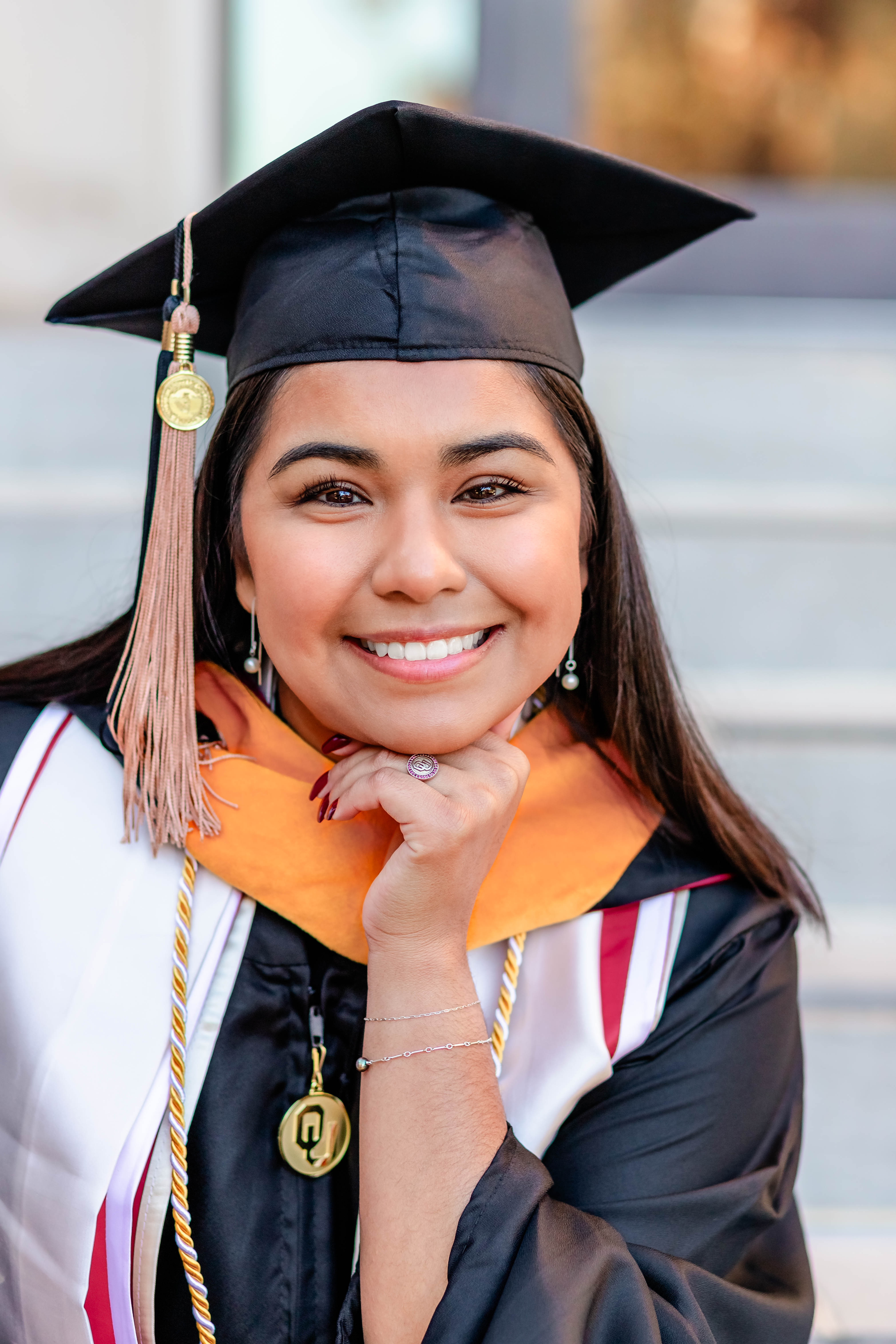
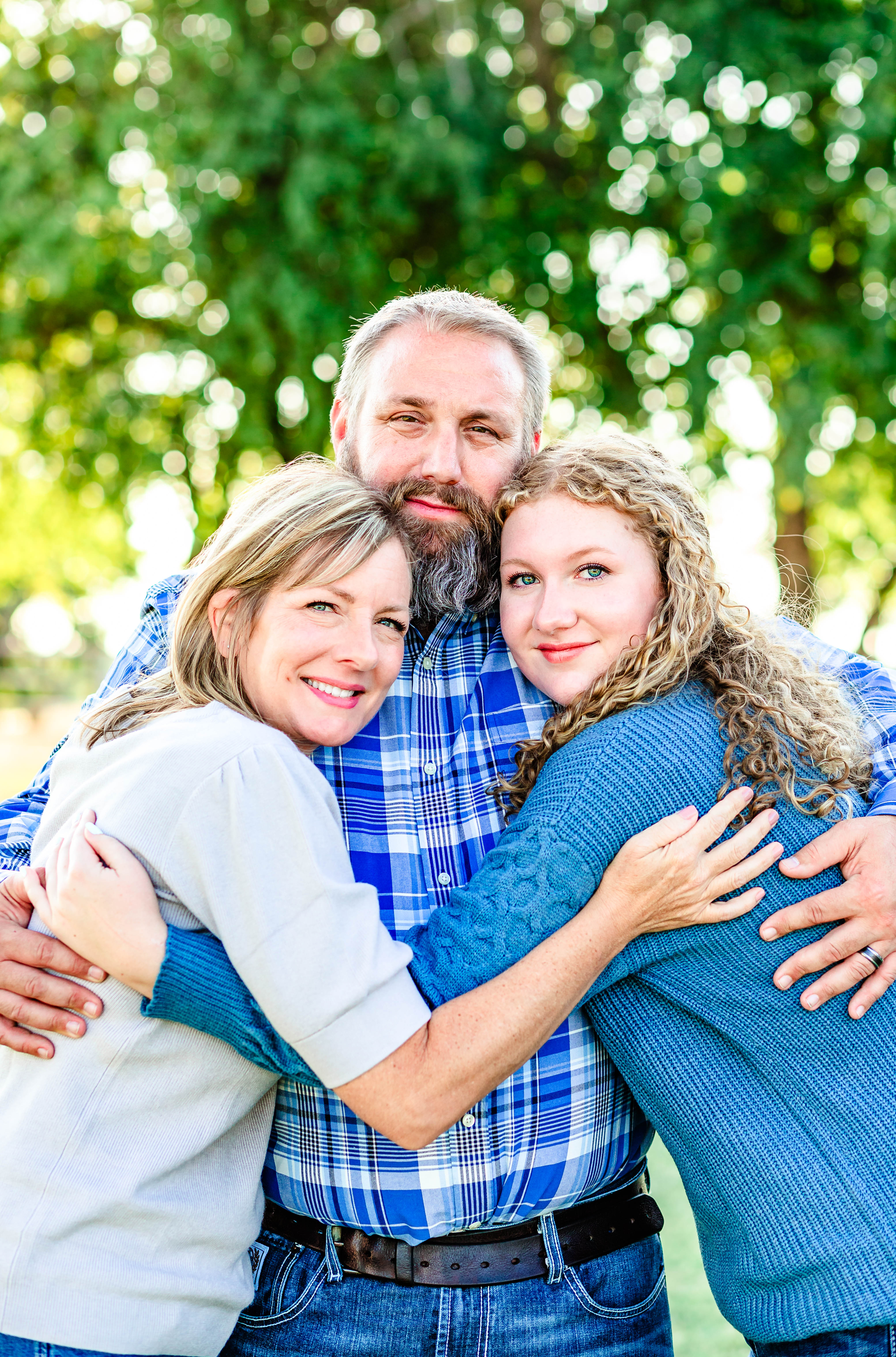
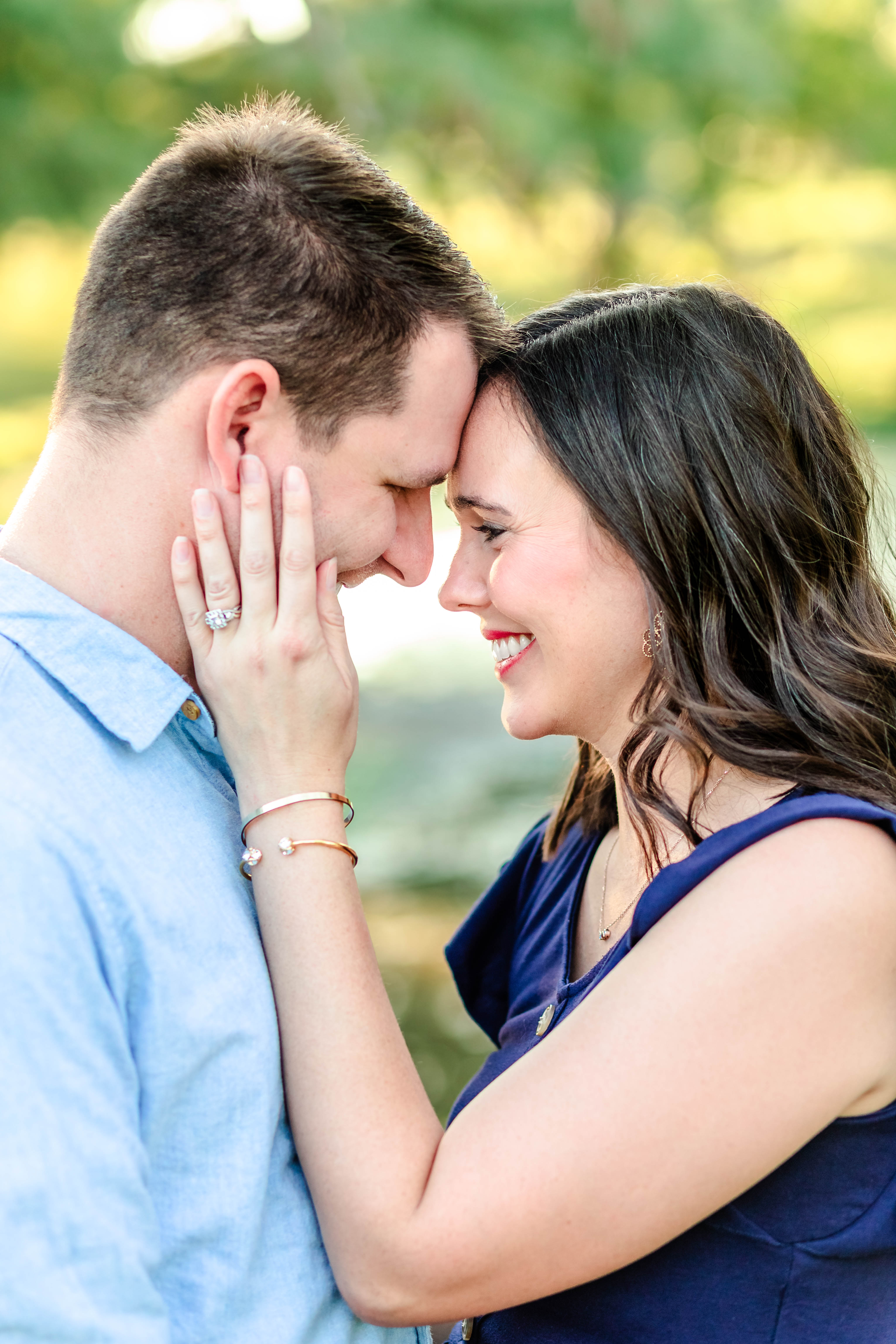
These are pictures of real people: image-bearers of God.
A few technical things you’ll notice are:
- The consistency in their lighting, appearance, and texture,
- The grain (which is present in all real images, though some may have more or less than the others), and
- Their sharpness and accurate details, all captured by my camera.
You will notice all of these things in my other pictures as well!
Now we’ll look at the 5 best ways to tell if an image is AI.
Before you go further, I feel obligated to say the rest of the pictures in this blog are not real. I used Adobe Firefly (an AI software) to generate them, so if they look different than my style, it’s because I didn’t take them.
1. Something doesn’t look right…
The most obvious sign that a picture is made with AI is that something is not right. It may look okay zoomed out, but once you look a little closer, something is clearly off or not realistic.
Most often, you will see botched hands or additional (weirdly placed) body parts, mangled backgrounds, or even a lack of detail that creates oddly morphed objects and faces. Other times, it could be a face that has wrong dimensions or words that are spelled incorrectly or jumbled together.
Sometimes these weird, disturbing parts of images are obvious, but as AI gets more advanced, we have to be vigilant in looking for those mistakes, even if they’re small or seemingly insignificant.
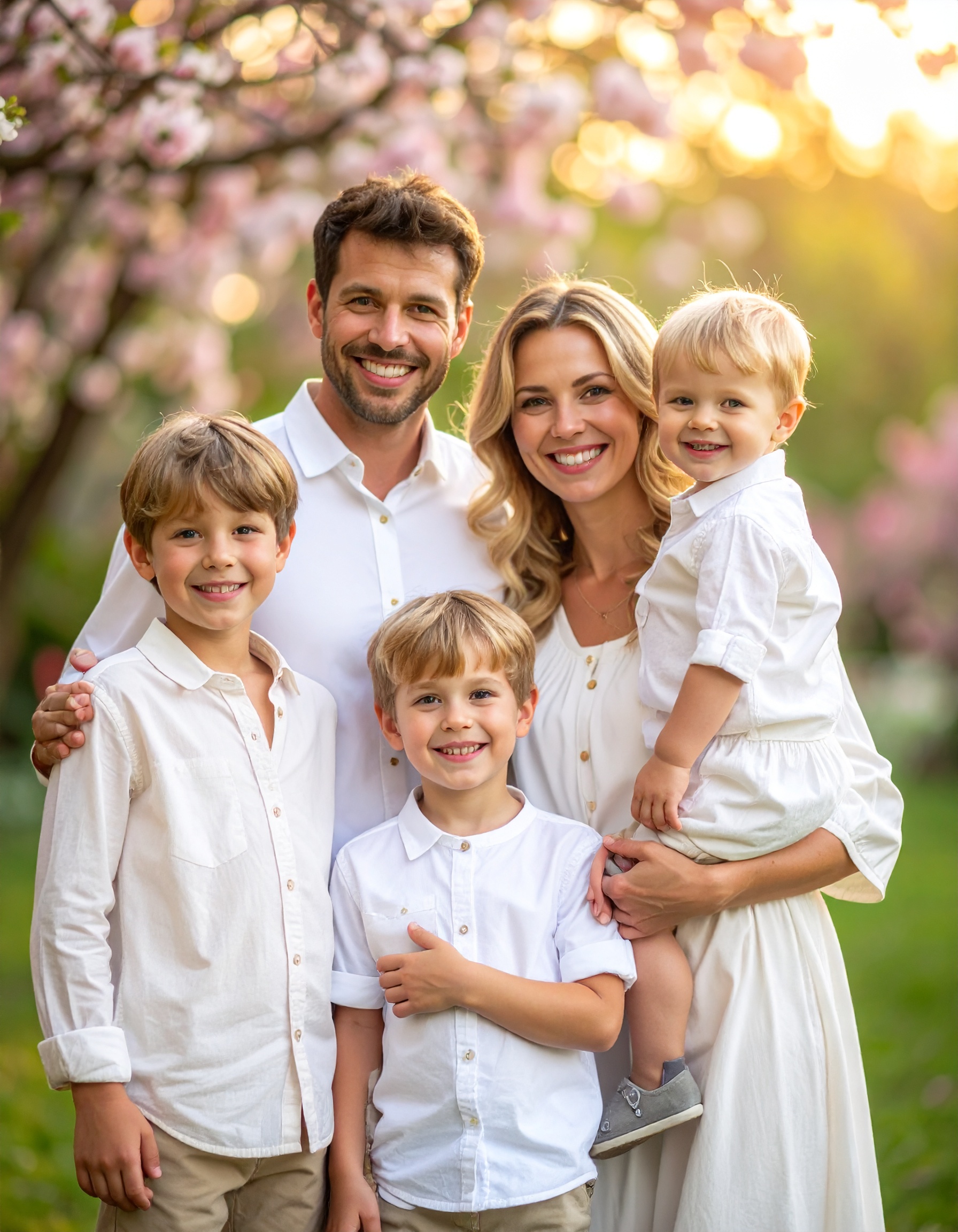


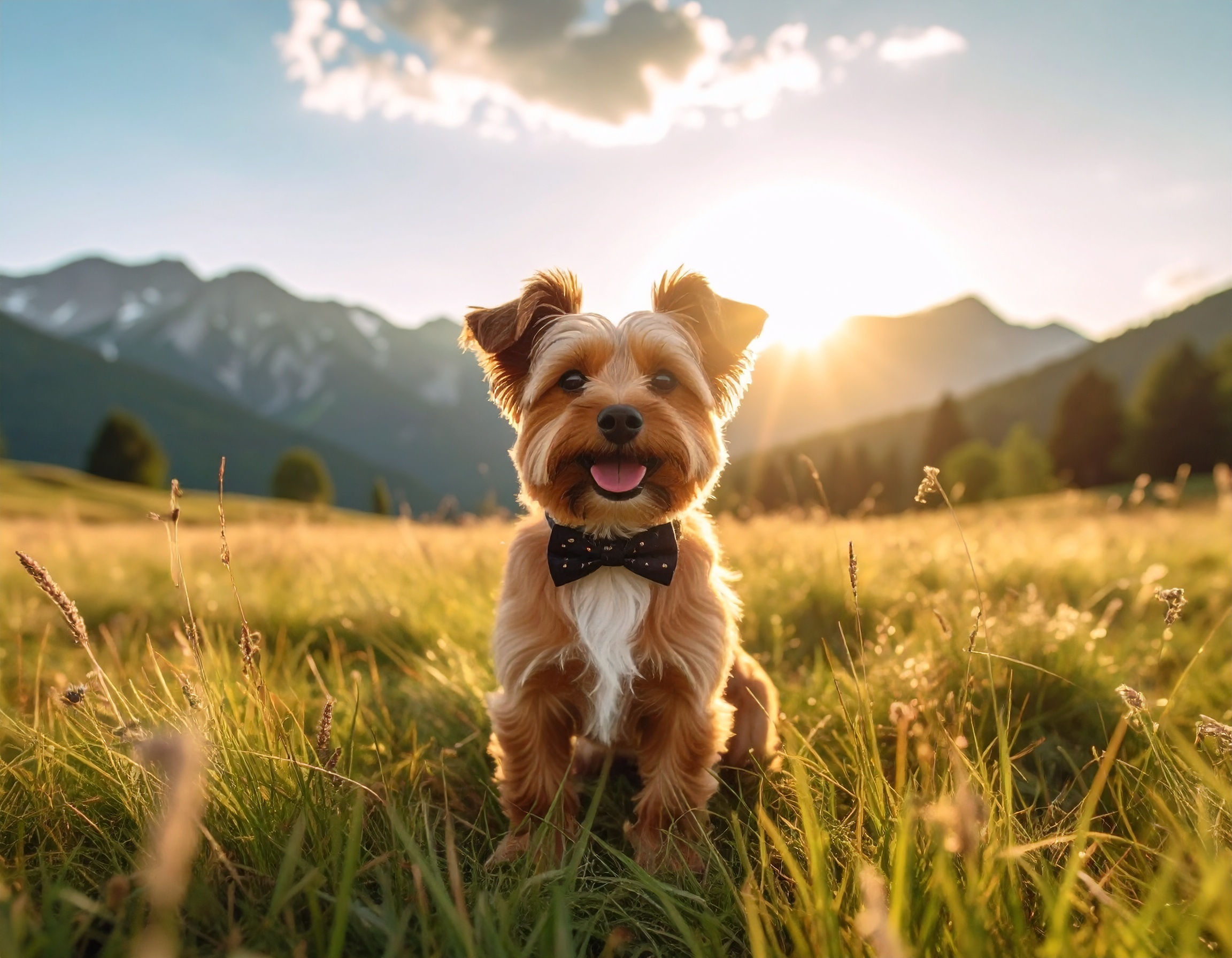
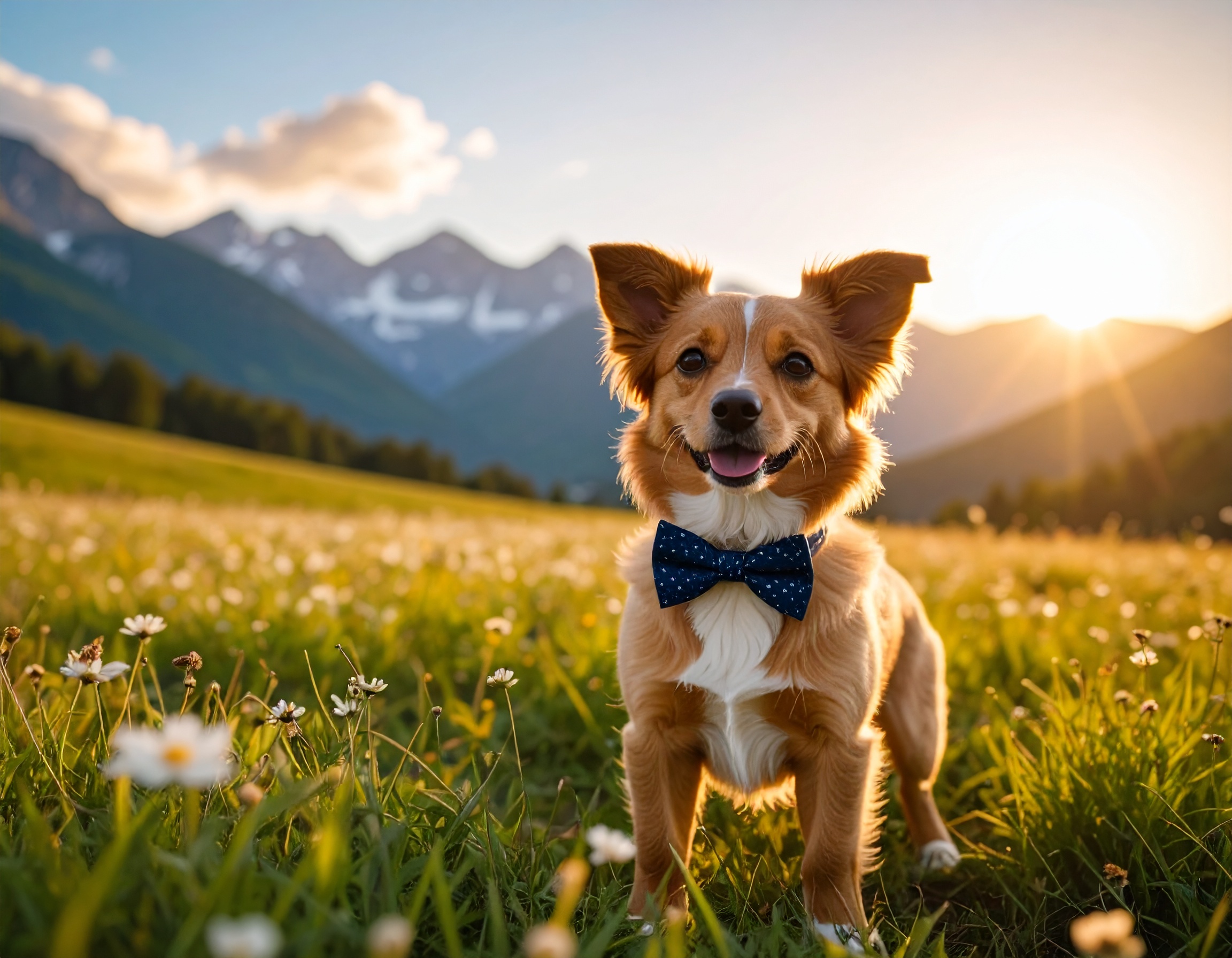
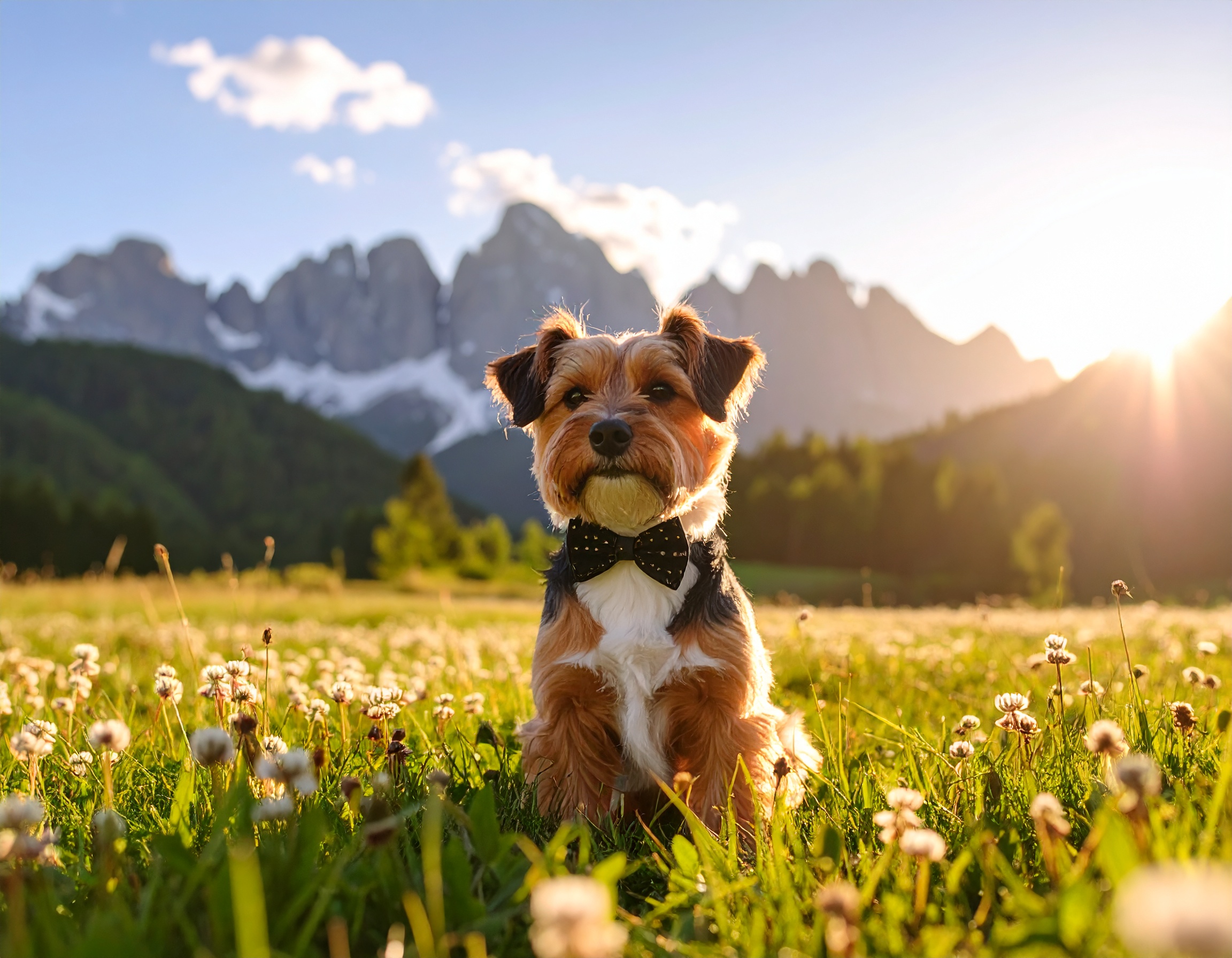
Pro tip: if you find one image and are unsure if it’s made with AI, one surefire way to know it’s AI is if there are at least two more pictures with it that look eerily similar to the first.
Most image generation platforms generate several images at a time, which makes them look extremely similar (though slightly varied), like the ones I’m adding below.
2. Inconsistent lighting
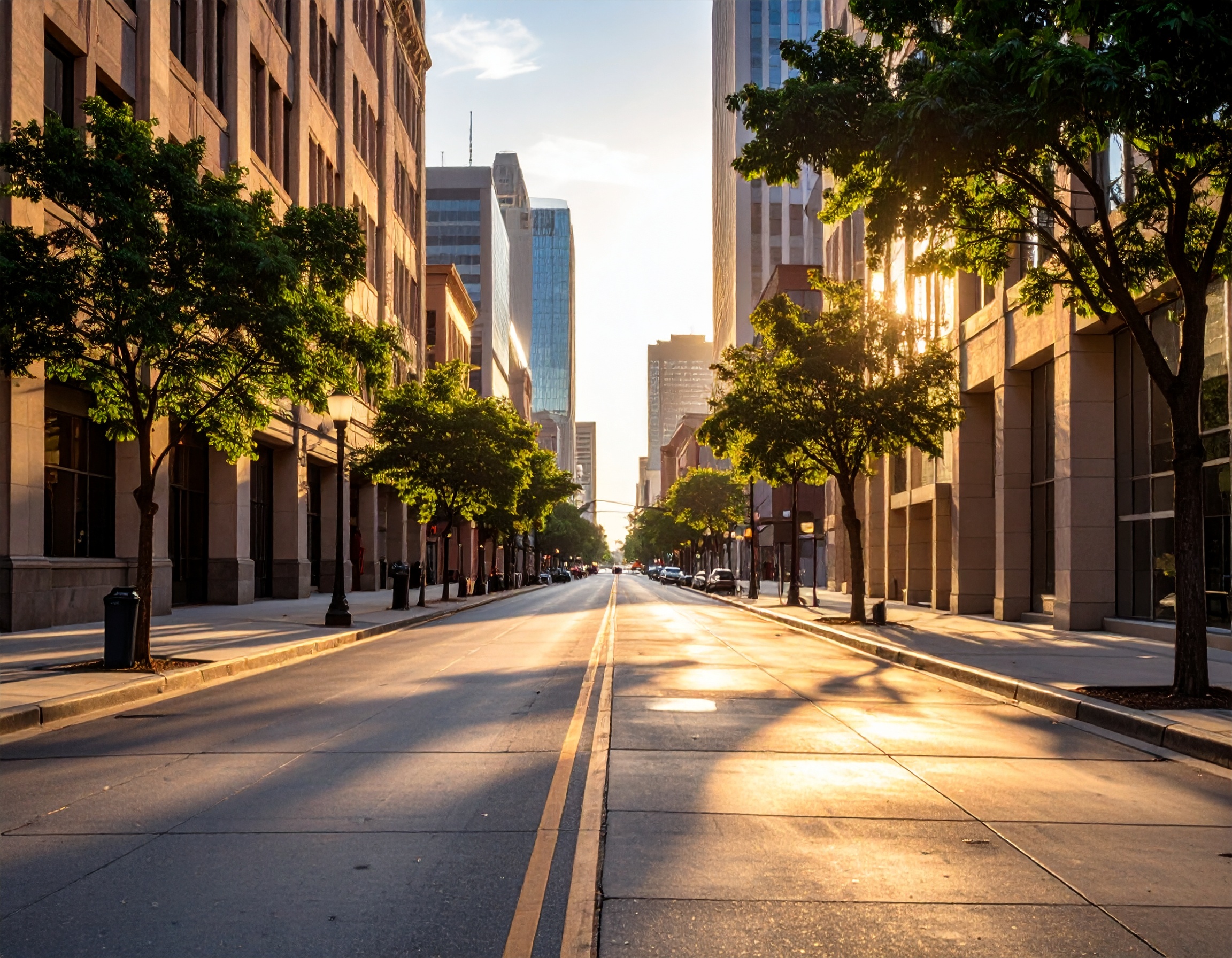
Uneven and inconsistent lighting (including shadows) will often mean a photo is made with AI. While this tends to be worse and more obvious with lower-end AI tools, higher-end software tends to be better with light sources.
Examples of inconsistent lighting include images having multiple light sources, portraits where one person is in light while the other is in shadows, or pictures where light will be seen where the AI thinks it should be (when it should not realistically be there, making it look odd and in the wrong place).
Sometimes bad lighting doesn’t necessarily mean an image is made with AI, though. Poor lighting consistency can also mean pictures have been Photoshopped together, or even something as crazy as a poorly timed off-camera flash.
With Photoshop, however, poorly cut-together pictures are (generally) still real images. You’ll find these most often in movies and TV shows.
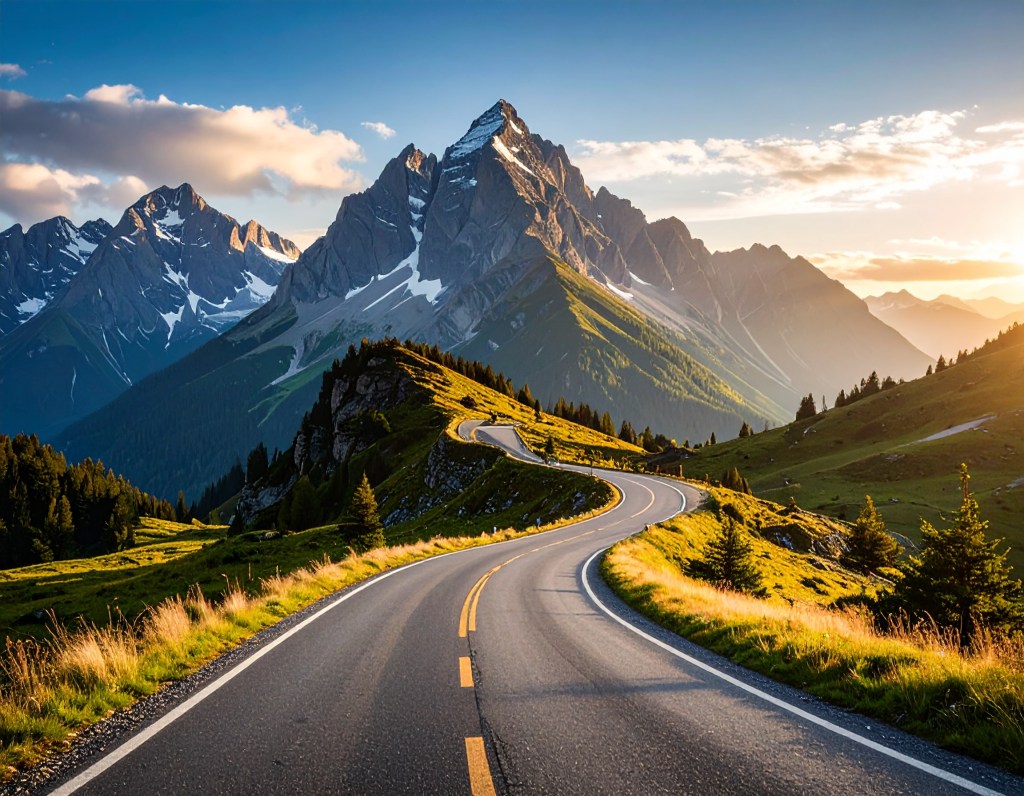
3. Weird pixels
Instead of natural grain, AI image generators create their own pixelated substitute. It’s hard to describe, but it looks like something only a computer program could generate. When you look closely, there’s no grain, but instead you’ll find oddly smoothed and jagged squares/lines.
This tends to be most apparent in hair/flyaway hairs (even if it’s in a small part of a real image).
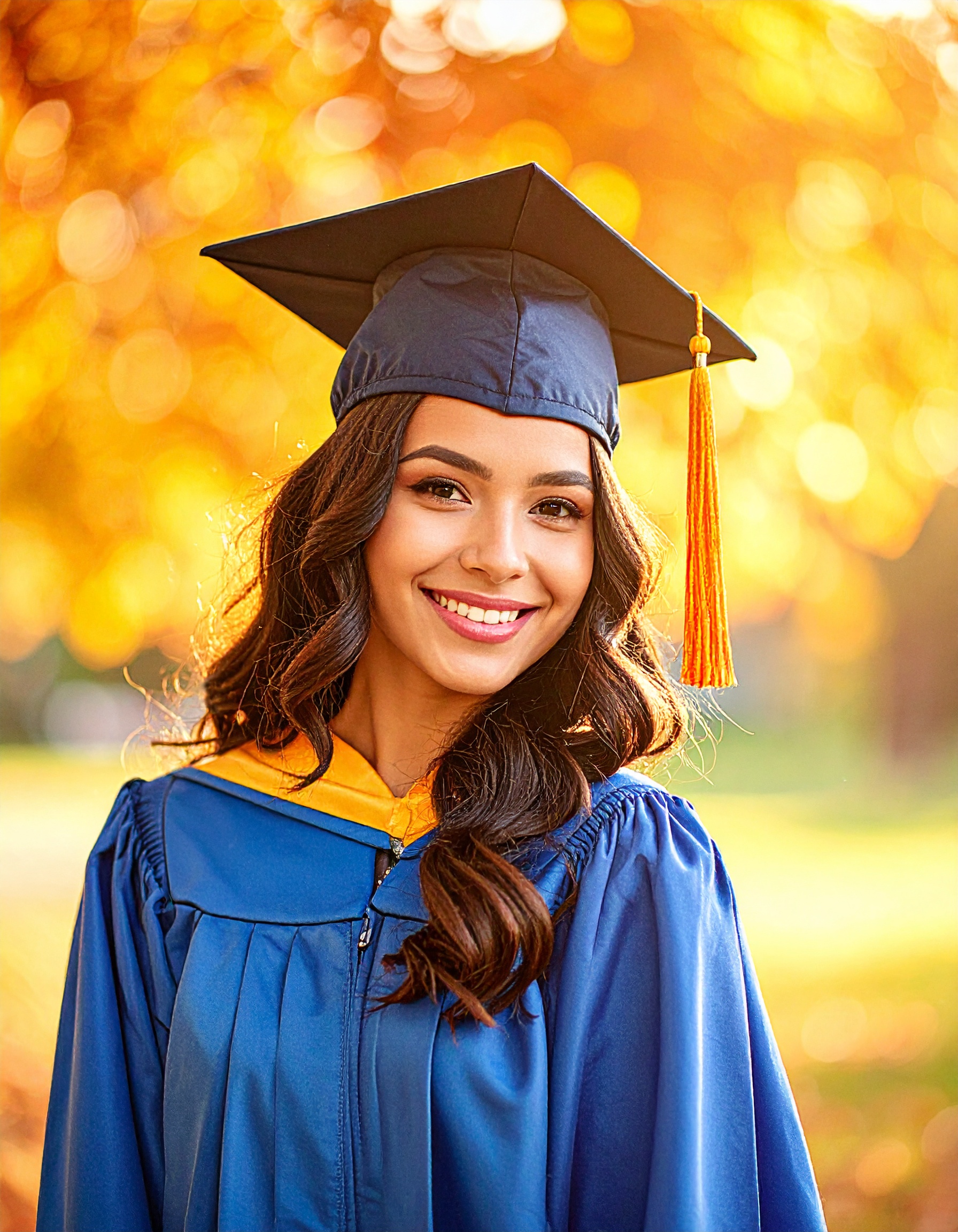
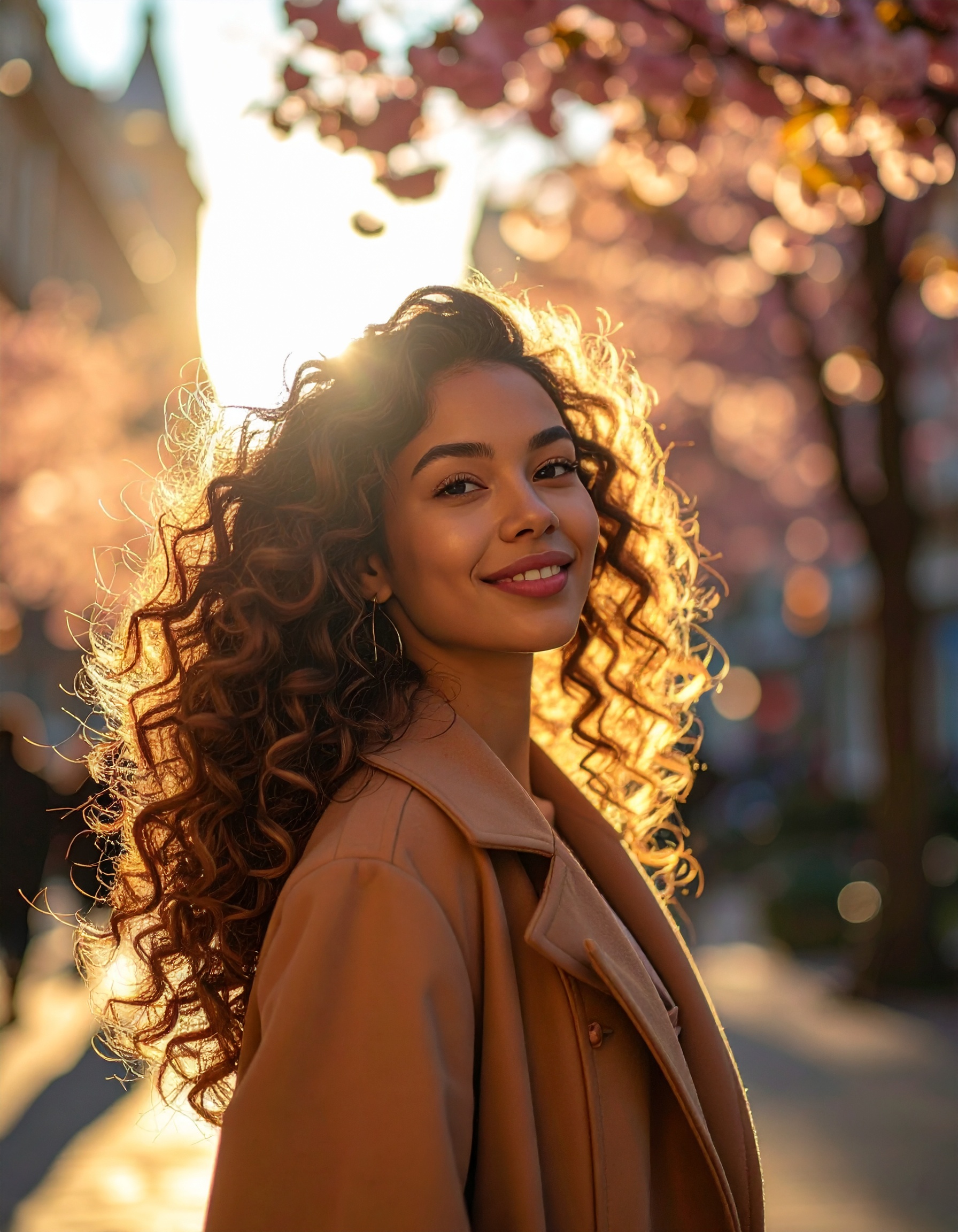

4. It looks way too smooth
Aside from the odd pixelation, AI pictures also tend to be extremely smooth. Since they’re not real pictures, the details are smoothed out (much like digitally painted art looks).
In attempting to be realistic, the subjects and their features are overly smoothed (again, lacking true grain), making the viewer think they look sharp when in fact they’re not even real nor finely detailed.
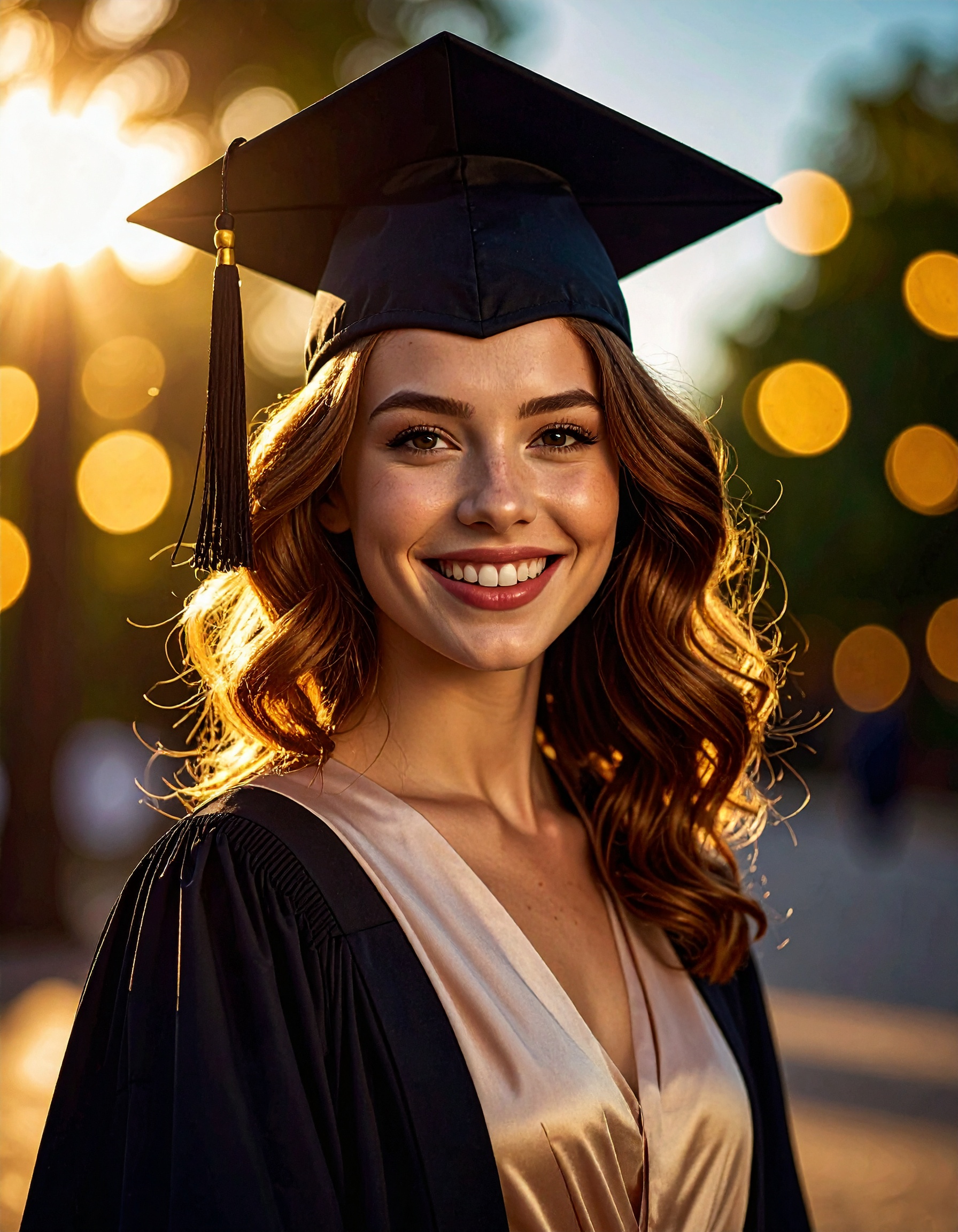
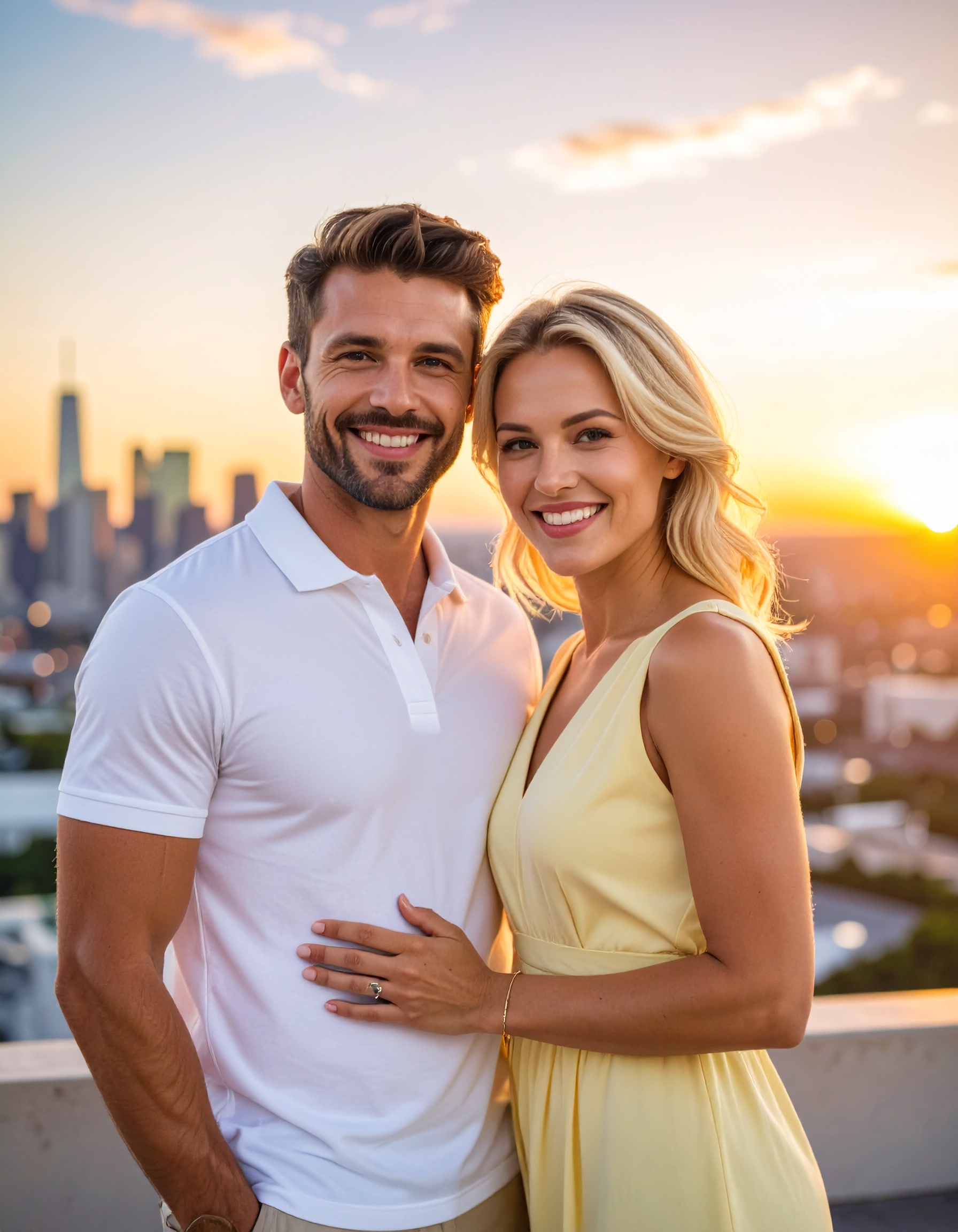
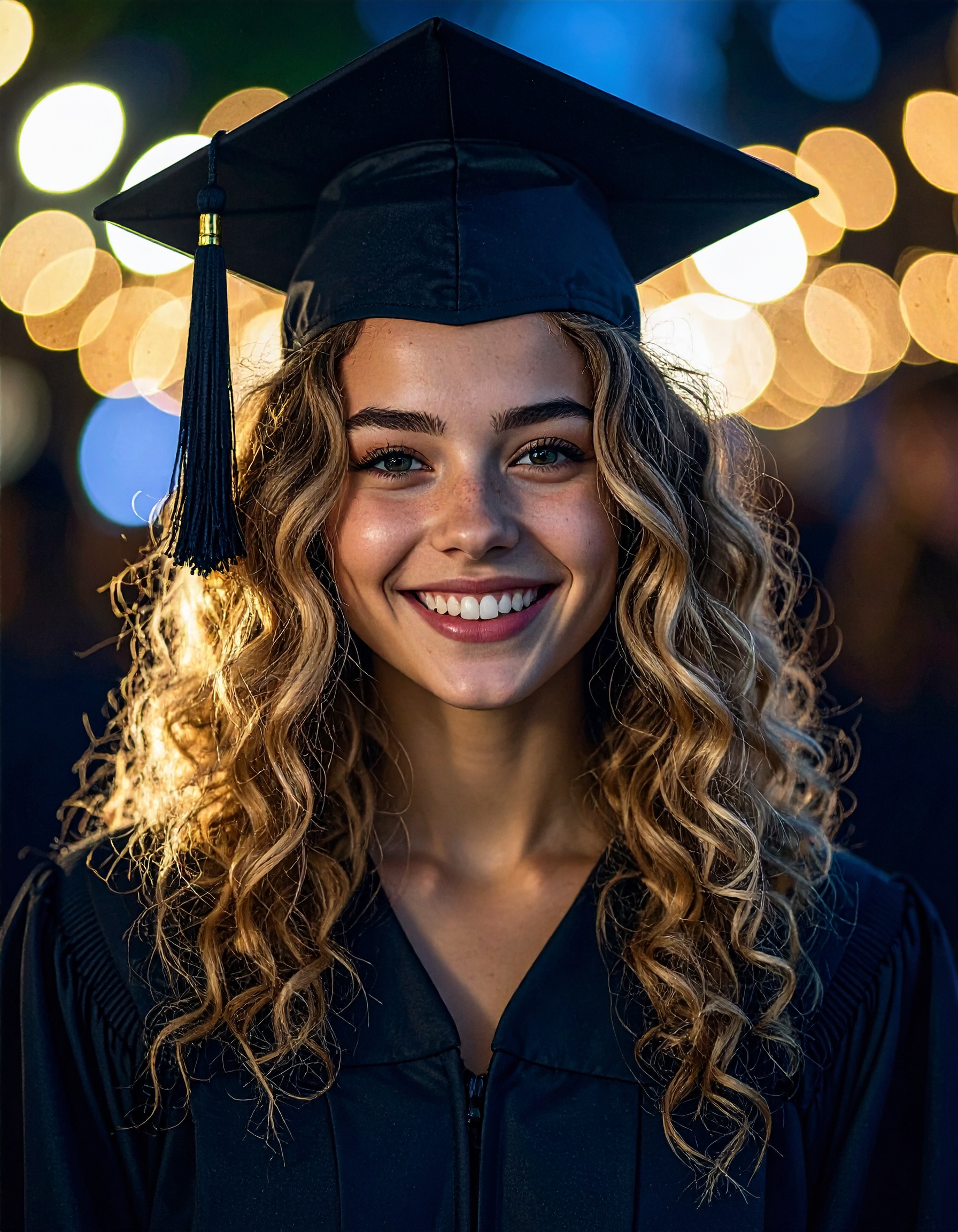
5. Imitation over realism
AI can only create imitations of real life. Even though a picture may seem real, they are only generated from what the AI has been programmed to create. Though the AI can be fed real images for it to draw inspiration from, everything it creates is only an imitation of real life.
You may notice this imitation in pictures regarding:
- Online trends (such as the recent trend of personal action figures),
- Events that didn’t actually happen (like an athlete on stage holding an award he hasn’t won yet or heartwarming stories of celebrities on Facebook—most of these only want you to click on them, comment, or re-share), and
- Other things that just aren’t real.
AI programs can only imitate reality and the humans they’ve been programmed by. And since it’s a program, it lacks human creativity, personality, thought-processing, and countless other individual characteristics. I liked this article from Joel Berry covering this topic.
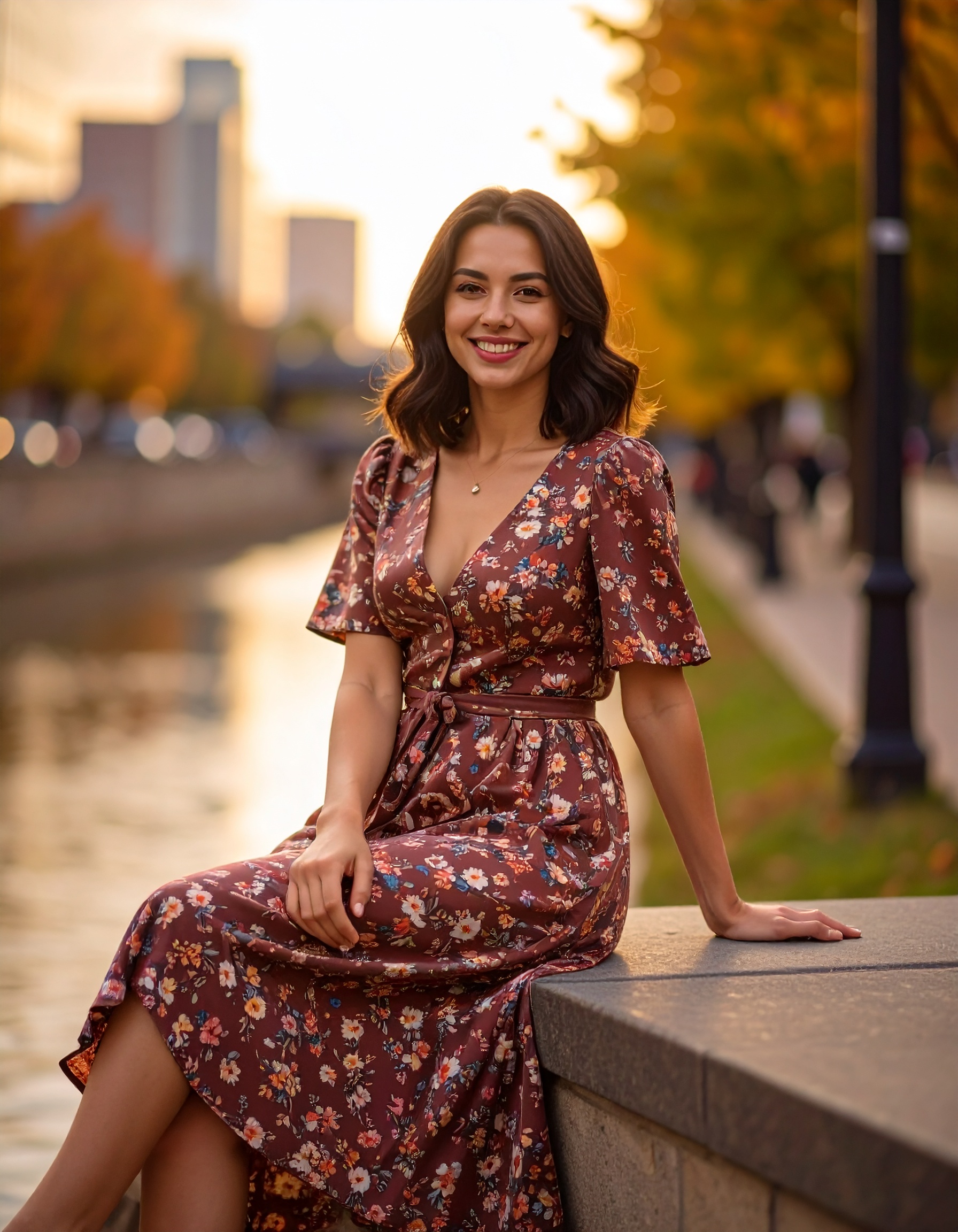
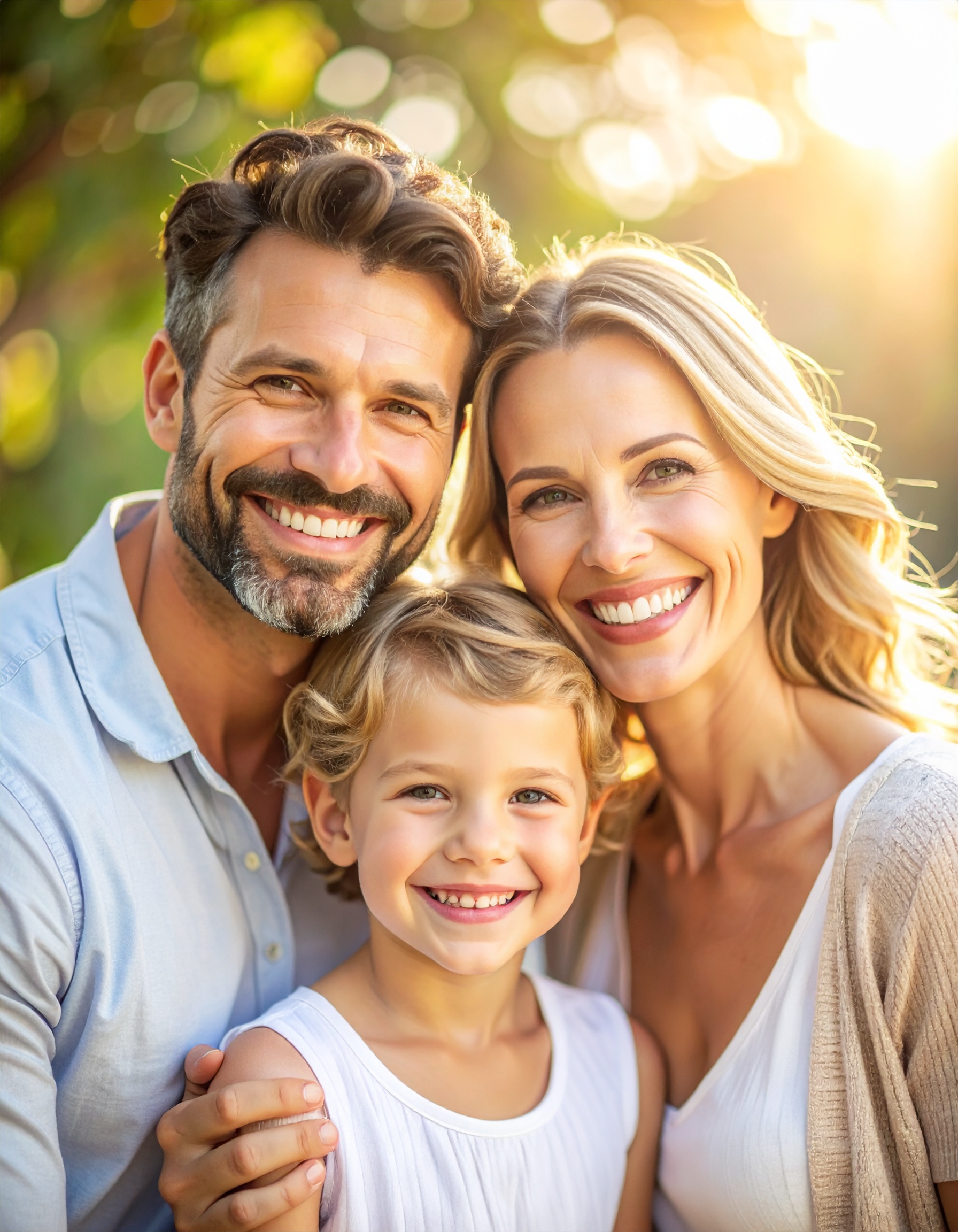

Here are three more AI portrait examples. Try to spot the signs of AI generation!


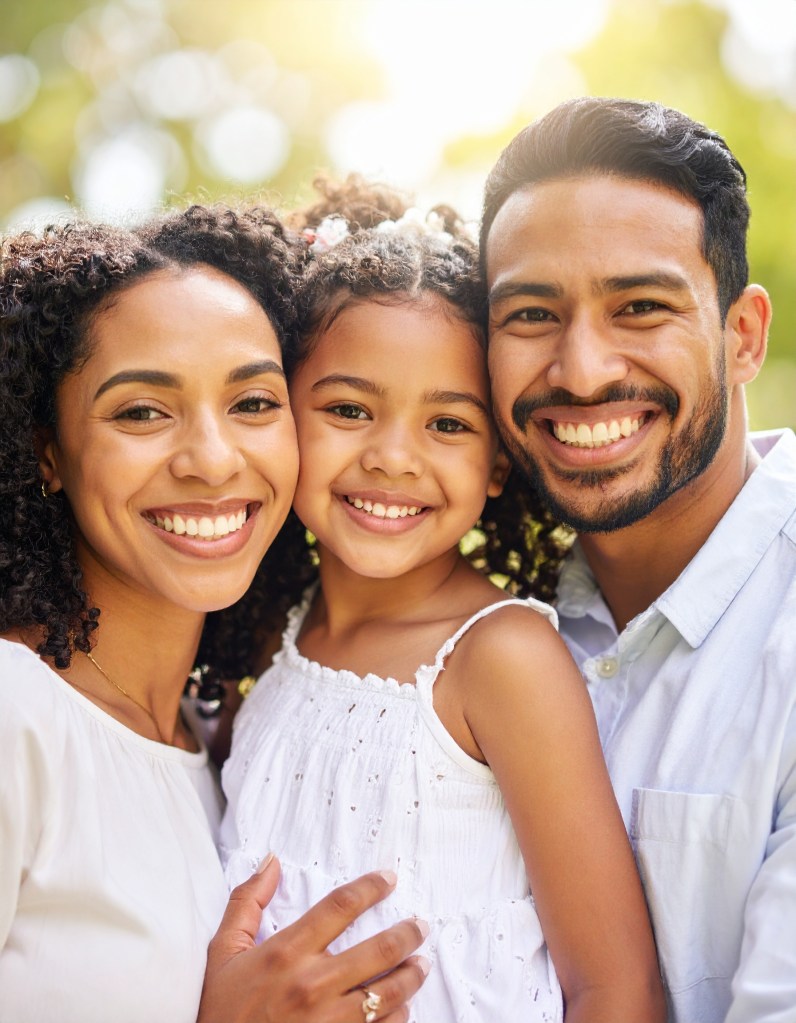
There are also different styles of pictures AI software can create. Most of these types of photos are very unrealistic, but some could be mixed with more realistic depictions of people or events.
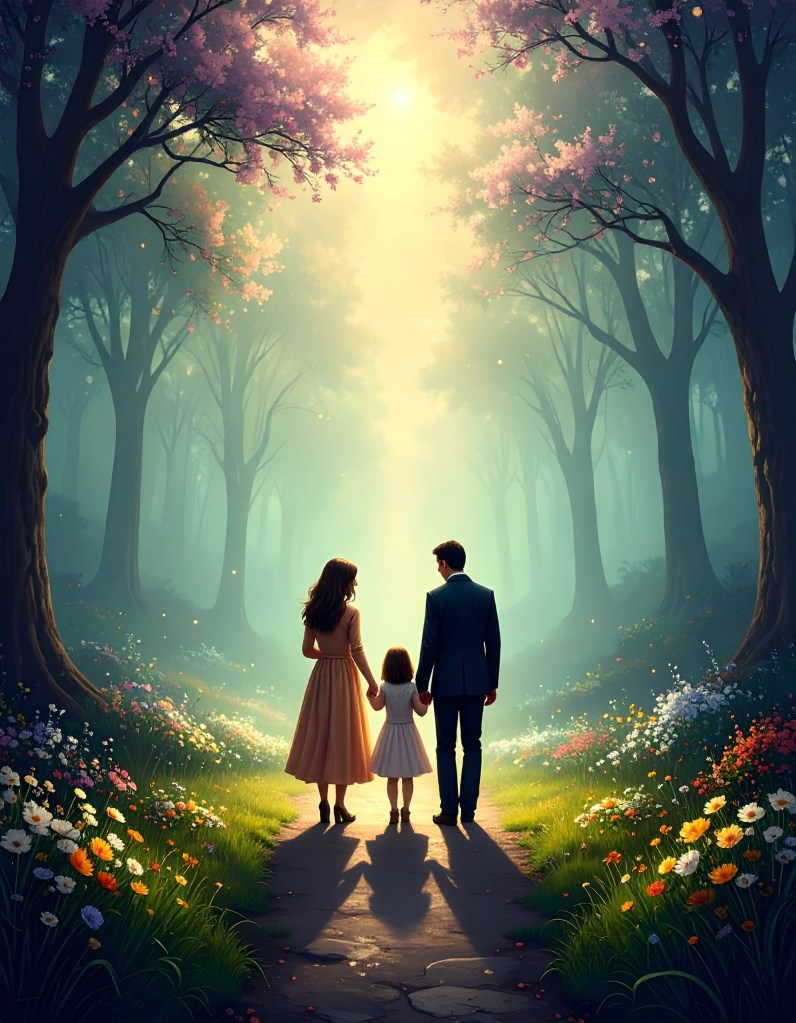
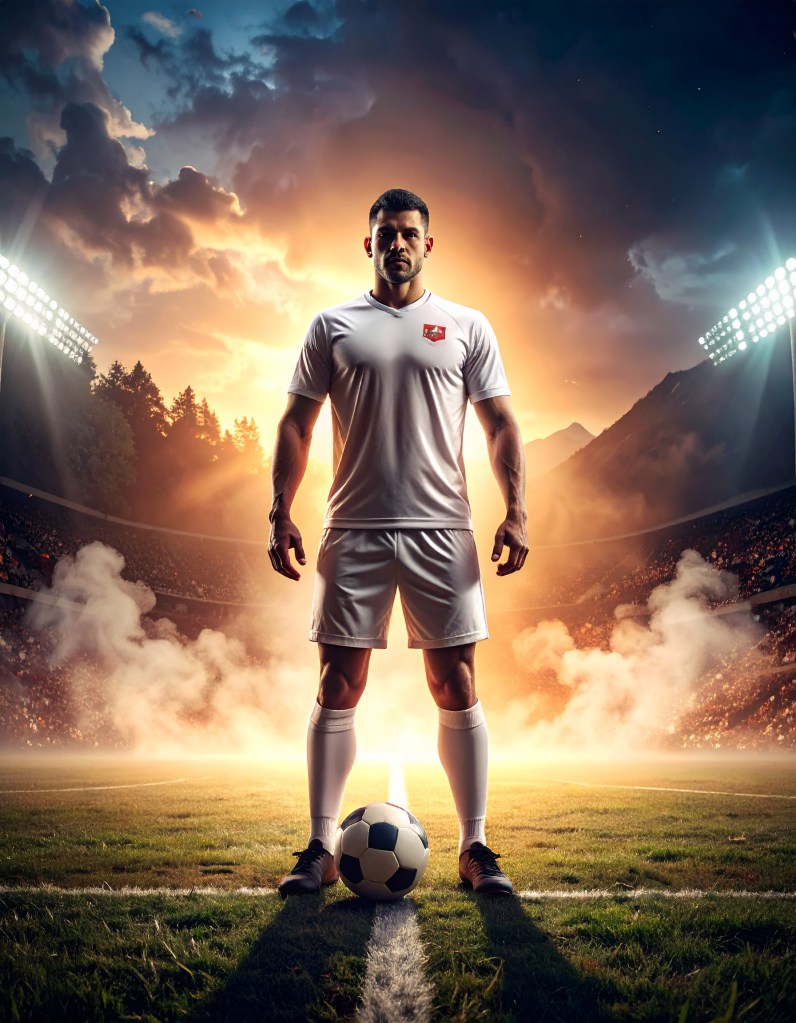
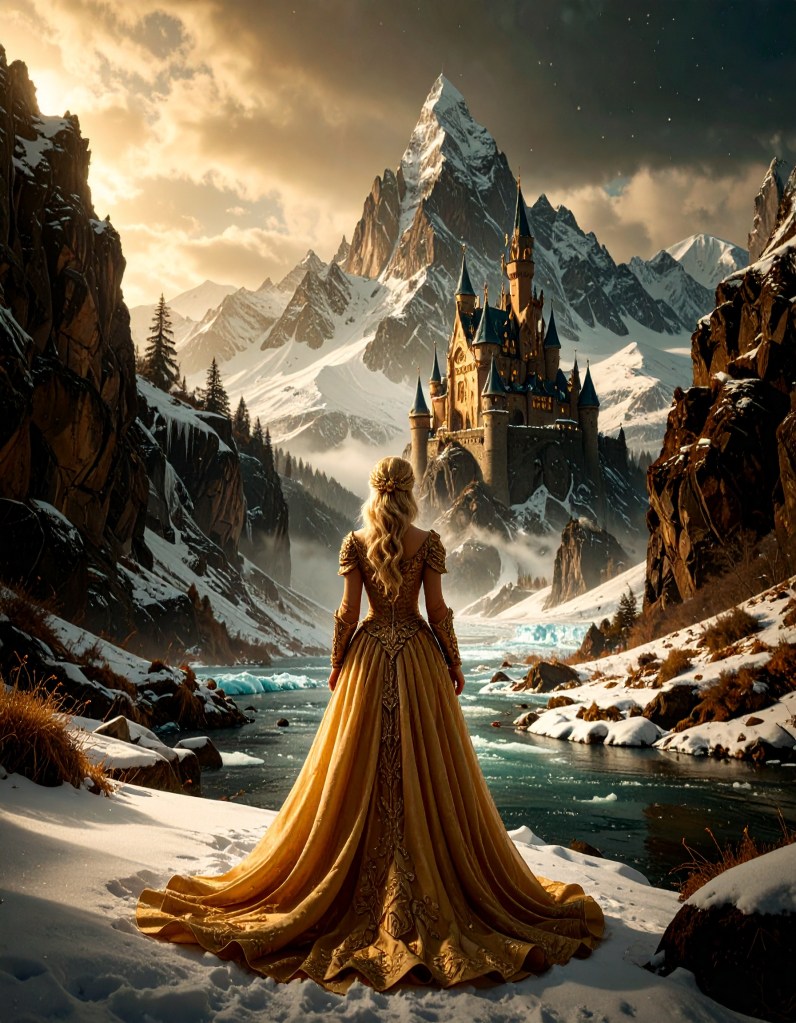
These types of art, though easier to distinguish from real art/pictures, still have a lot of the same characteristics other AI images have.
Where do we go from here?
AI will continue to progress, and the images and videos created from it will become harder to distinguish from reality.
Even so, it’s important to be informed and use discernment when looking at these things online. Sometimes it could be as easy as verifying what source posted the image or story. Other times, you have to know the signs.
AI may seem scary, especially with its future potential, but we do not have to fear it. And although there are also many dangers with AI, it can’t and won’t replace real life photographers.
I would encourage you to read the Bible and stay grounded in the fact that God is sovereign and good.
“But you, O Lord , are a shield around me; you are my glory, the one who holds my head high. I cried out to the Lord , and he answered me from his holy mountain. I lay down and slept, yet I woke up in safety, for the Lord was watching over me. I am not afraid of ten thousand enemies who surround me on every side.” Psalms 3:3-6 NLT
I hope these tips and examples were helpful to you! Feel free to go back through the five tips and practice your observation skills on the AI pictures throughout this blog.
Your next read:



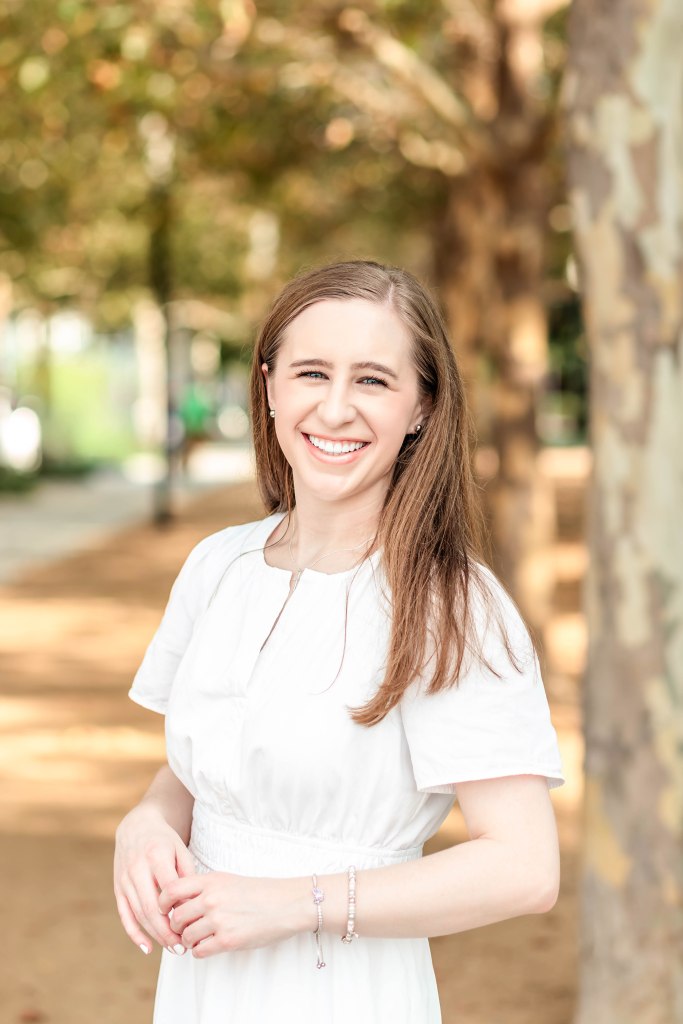
Hi, I’m Prailey!
I’m your Jesus-loving photographer! Based in Norman, Oklahoma, I specialize in natural light portraits, capturing moments that last a lifetime.
My goal is to capture your sweet, genuine personality and those in-between moments that you will cherish forever. With 5+ years of experience, it is such a joy to use the artistic ability God has given me to capture and share such precious moments with my clients.
Sign up for my newsletter!
Subscribe to join the PNP community! You’ll receive regular emails with behind-the-scenes details about new blogs, special encouraging messages from me, and be the first to know about any announcements, specials, and seasonal mini sessions.
